
Traveling well starts long before you reach the airport gate. It begins with a simple idea: when your belongings have a place, your trip will feel easier. A travel organizer is not a single product. It is a system that combines packing cubes, toiletry cases, tech pouches, document wallets, and a packing strategy to reduce friction from departure to arrival. This article shows how to choose the right travel organizer pieces, how to use them for maximum space and convenience, and how to design a repeatable packing routine that saves time and stress.
What “travel organizer” really means
A travel organizer is anything that transforms a chaotic bag into a structured one. Packing cubes create compartments inside a suitcase. Toiletry organizers protect liquids and keep grooming items contained. Tech organizers protect chargers and cables, while document wallets keep passports, tickets, and insurance papers accessible. When these elements work together, your bag becomes easier to open, search, repack, and maintain on the road.
ALSO READ: https://travelstodubai.com/travel-luggage-guide-2025-best-suitcases/
Why using a travel organizer pays off
Packing with intention has three visible benefits. First, items stay put and remain wrinkle-free longer. Second, you find what you need without rummaging. Third, an organized system often frees up more usable space compared with throwing everything loosely into your bag. Editors who test travel gear consistently find that packing cubes and dedicated organizers improve space management and keep items from shifting during transit.
Choose the right pieces for your trip
Not every organizer has to come from the same brand or set. Think of organizers as tools you select based on the type of trip and your luggage. For a weekend city break, a few small packing cubes, a slim toiletry roll, and a card wallet are sufficient. For a two-week trip, add shoe bags, a compression cube, and a dedicated electronics organizer. When selecting materials, prioritize durable, flexible fabrics like nylon or polyester with water-resistant coatings. Those materials withstand abrasion, weigh little, and usually dry quickly if they become damp. Travel testing teams recommend these fabrics because they combine durability with stretch and easy maintenance.
Packing cubes and compression bags
Packing cubes are the most recognizable travel organizers. They create zones in your suitcase and make repacking a breeze. Compression packing cubes add a second zipper that physically reduces a cube’s volume, which can be useful when you need to squeeze extra items into a bag. For people aiming to maximize space, a mix of standard cubes and one or two compression pieces typically performs best. Trusted gear reviews identify packing cubes as a primary way to keep clothes organized and reduce wasted space in luggage.
Toiletry organizers and leak control
Toiletry organizers come in many forms: hanging kits, roll-ups, and zip pouches. Look for internal pockets for smaller items, a waterproof base or lining, and a secure closure. Storing liquids inside a secondary sealed bag reduces the risk of leaks damaging clothing, and decanting full-size bottles into travel-friendly containers saves space and weight.
Tech organizers and document wallets
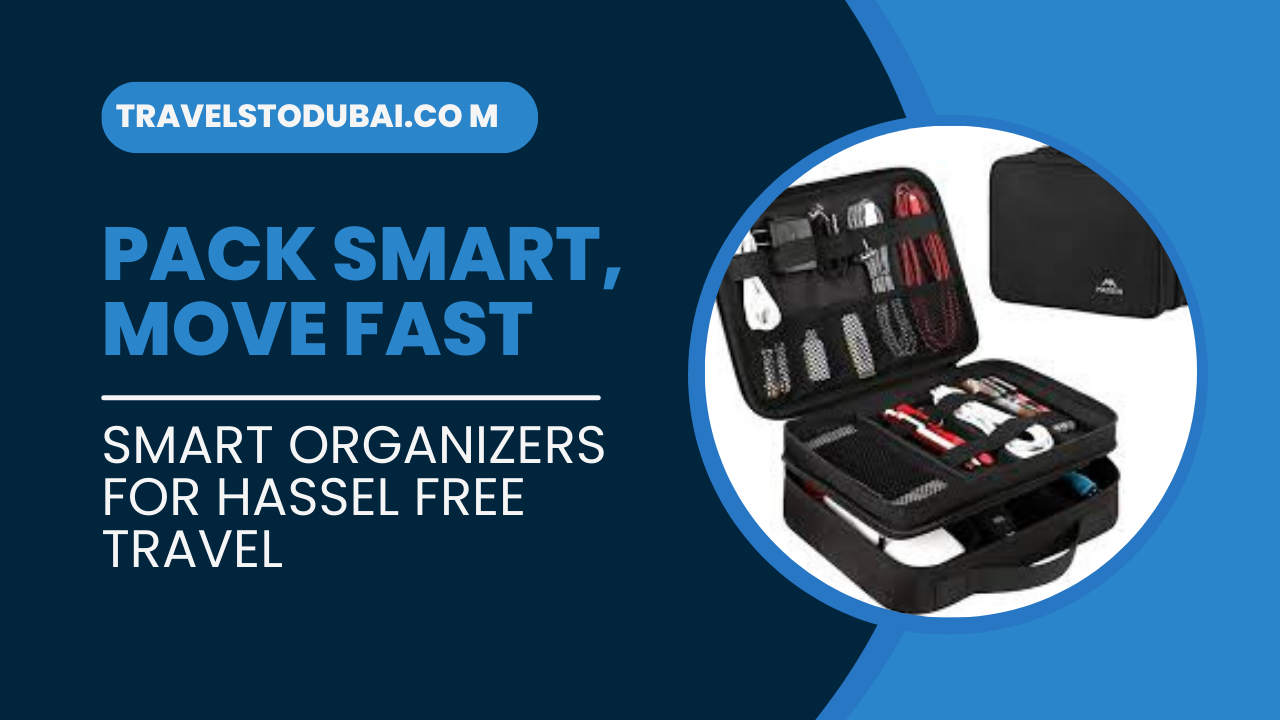
Electronics and documents are mentally expensive to lose. Use a small, padded tech organizer to keep chargers, power banks, and cables untangled. Keep travel documents in a slim, quick-access wallet or passport cover and always store it in the top of your bag or an easy-to-reach compartment. This habit removes the friction of pulling out tickets or showing ID on a plane or at a border.
How to pack with a travel organizer, a simple routine
Start with a capsule closet concept. Choose clothing items that mix and match. Lay them out, then assign each category to an organizer. Place shirts in one cube, bottoms in another, underwear and socks in a small cube, and sleepwear in its own. Toiletries go in their bag, electronics in their case, and documents in the wallet. Insert heavier items near the suitcase base and wheels to maintain stability. Rolling or using the anti-wrinkle method for delicate garments helps preserve appearance on arrival. Travel editors and professional packers recommend creating categories and assigning a cube to each; this reduces decision fatigue while traveling.
Layering and accessibility
Put items you need during transit, like a sweater, travel pillow, medication, and a lightweight toiletry pouch, on top of the main compartments or in your carry-on. Items you only need at the destination can sit deeper in the suitcase. The goal is quick access for in-flight and airport moments while keeping bulk items neatly stored.
Which travel organizer brands and products to consider
Editors who test gear regularly recommend choosing organizers with quality zippers, reinforced seams, and mesh panels so you can see contents without opening them. Many top picks across reputable publications emphasize these features because they improve usability and longevity. When budget matters, a basic set of nylon packing cubes with mesh tops provides the core benefits without costing a fortune. For heavier users, premium organizers with structured sides and higher-denier fabric last longer and stand up when partially filled.
Smart maintenance: keep your travel organizer system ready
After every trip, empty the organizers, launder anything that needs washing, and air out the toiletry bag. Periodically check zippers and seams for wear. Label or color-code cubes if you travel with family or frequently pack different types of trips. Store packing cubes nested inside each other to save closet space and ensure your system is ready the next time you need it.
Practical packing strategies that work
Build a mini-checklist that complements your organizer system. Think “outfit clusters” rather than single-item packing. Cluster items by day or activity and place each cluster into the cube assigned to that activity. Create a travel kit with essential toiletries always loaded so you can remove it from one bag and move it into another. If you frequently fly carry-on only, prioritize compression cubes and a lightweight toiletry pouch that meets airline liquid limits. Publications that test travel gear recommend mixing cube sizes and keeping an empty small cube for dirty laundry. This preserves cleanliness and simplifies repacking.
Tips and tricks: expert-tested moves to level up
Use a neutral packing color scheme for cubes so clothing choices are easy to see when you open them. Keep a dedicated “arrival outfit” separate for long-haul flights. Store chargers in a single, labeled cable roll to avoid scavenging at the gate. When traveling to humid destinations, slip a small silica gel packet into toiletry bags to reduce moisture. Consider a lightweight foldable tote or daypack that lives inside your checked bag; it becomes a local carry option for markets and day trips.
Common mistakes to avoid
The biggest mistakes come from mixing systems and ignoring accessibility. Don’t under-utilize cubes by stuffing them haphazardly. Don’t use a single large compartment for everything and hope for the best. And don’t skip testing new organizers at home before a critical trip. Many travelers learn the hard way that an organizer with weak zippers or poor layout can cause more stress than it avoids.
Sustainability and gear choices
If environmental impact matters, look for organizers made from recycled materials or durable fabrics built to last. Choosing quality over cheap disposables reduces waste and often saves money over time. Several reputable gear editors now highlight eco-friendly organizer options that combine recycled nylon with robust construction for long service life.
When a travel organizer system isn’t enough
Sometimes you need more than packing cubes. For gear-heavy trips, such as photography or sports travel, add purpose-built cases such as padded camera inserts, battened shoe bags, or wet/dry toiletry compartments. For business travel, a garment folder can keep suits and shirts crisp, while a structured briefcase with dedicated laptop compartment protects technology and documents.
FAQ
1: What is the single most useful travel organizer?
The most useful travel organizer for most people is a set of packing cubes because they create order and prevent items from shifting. They allow you to separate clothing types, compress garments if needed, and make repacking quickly.
2: Do packing cubes really save space?
Yes. Packing cubes reduce wasted volume by keeping clothing contained and by allowing you to compress and stack items efficiently inside luggage. Many travel gear tests find that cubes make your bag more compact and easier to rearrange.
3: Should I use compression bags?
Compression bags are useful for bulky items and longer trips. Use them sparingly because over-compressing fragile fabrics can cause wrinkles and make retrieval slower. Compression works best for towels, sweaters, and items that tolerate some crushing.
4: How should I pack toiletries inside an organizer?
Decant liquids into travel-sized containers, keep them inside a waterproof pouch, and separate daily essentials from rarely used products. Place heavier bottles near the base of the bag and always double-bag liquids if traveling with checked luggage.
5: Can a travel organizer help me pass security faster?
Indirectly. An organized carry-on means you can quickly remove electronics and liquids for screening. Keeping items in separate, visible compartments reduces fumbling in security lines and speeds the process.
6: How do I choose between mesh and solid packing cubes?
Mesh panels allow content visibility and breathability, useful for identifying clothes quickly. Solid-sided cubes can be more protective for delicate garments. A combination of both types gives flexibility.
7: How often should I replace travel organizers?
Replace organizers when zippers fail, seams rip, or fabric performance degrades. High-quality organizers can last several years with regular use. Choosing durable materials and repairing minor damage extends life.
Final word: build a system, not a habit
A travel organizer is powerful because it turns a one-off packing chore into a repeatable system. Build a kit that fits your trips and your luggage, and make small investments in quality pieces that reduce stress and speed up transitions. The payoff is immediate: less time packing, less time searching, more time enjoying the place you traveled to.