

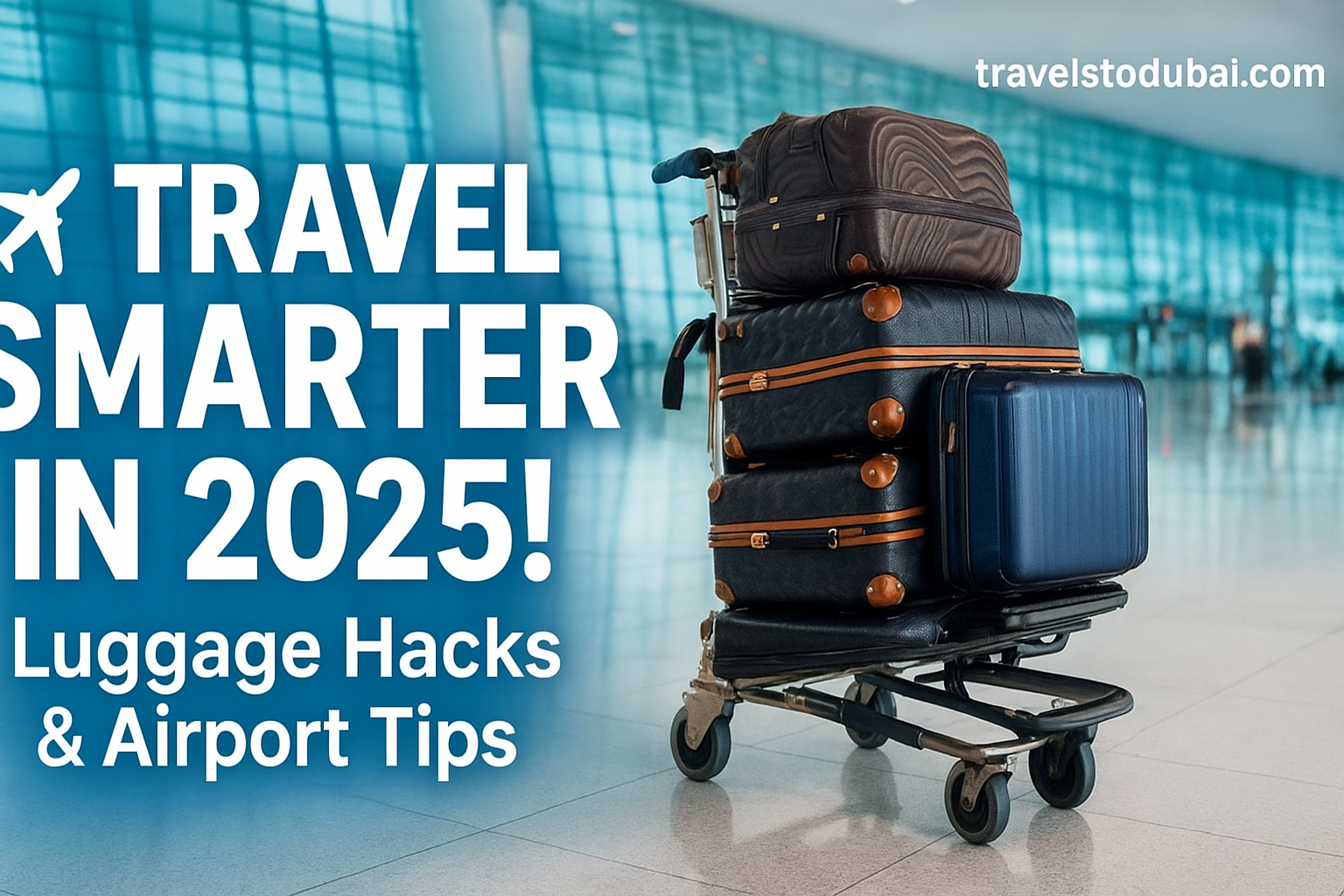
Travel luggage is more than a container for clothes and souvenirs; it is a travel companion that determines how smooth your trip begins and ends. Picking the right suitcase or bag affects airline fees, airport stress, mobility through narrow streets and busy terminals, and even how much you can comfortably pack. This guide walks you through what matters now in 2025: airline size rules, durable materials, trusted brands, smart features, and packing strategies that let you travel lighter and with confidence.
Why luggage choice matters
Choosing travel luggage influences weight limits, airport handling, durability, and long-term cost. A lightweight carry-on can save you from checked-bag fees and gate-check hassles, while a well-built checked suitcase resists rough handling on long-haul journeys. Testing organizations and travel publications continue to stress durability and sensible organization as the biggest differentiators among kits, since a baggage investment often pays off through years of damage-free travel. For authoritative sizing guidance, industry groups recommend measuring the total external dimensions of the bag, including wheels and handles, and checking your airline’s specific rules before you fly.
ALSO READ: https://travelstodubai.com/how-to-choose-travel-consultant-services/
Carry-on vs checked luggage: what to pick
The carry-on remains the single most useful piece of travel luggage for short trips because it keeps essentials close and avoids checked-bag fees. Most U.S. and many international airlines accept carry-ons up to approximately 22 inches long, 14 inches wide, and 9 inches deep, including wheels and handles, though exact limits vary by carrier. For international flights and some regional carriers, slightly different linear dimension rules apply, so flexibility in bag selection can prevent last-minute gate checks. If you routinely pack tech gear, fragile items, or medicines, the ability to carry everything aboard is invaluable.
For longer trips or when you need bulkier items, checked luggage offers space but exposes your belongings to handling damage and delayed arrival. Many airlines apply a checked baggage dimension rule often expressed as a “linear” sum of length, width, and depth, and typical maximums for checked luggage land near 62 linear inches with 50 pounds as a common weight cap for economy fares. Those two constraints mean that if you plan to check, prioritize sturdy shells, reinforced corners, and quality zippers or locking systems.
Hard-shell versus soft-sided luggage
Hard-shell suitcases have earned popularity for impact resistance and waterproofing. Polycarbonate and ABS composites absorb shocks and maintain shape under pressure, which helps protect fragile items. Many recent models also offer expandable designs and integrated compression systems to maximize capacity. Soft-sided luggage still has advantages: exterior pockets allow quick access to documents and chargers, fabric can squeeze into tighter overhead bins, and some soft materials resist scuffs better than rigid finishes. Consumer testing organizations recommend choosing hard shells for checked use if you pack breakable items, and soft-sided bags for trips requiring flexible capacity and quick access.
Trusted brands and what they emphasize
In 2025, industry testing and travel editors repeatedly name a handful of brands that balance durability, warranty coverage, and design. Samsonite frequently tops carry-on and checked luggage lists for its durable shells and strong value proposition. Travelpro is recommended for heavy-duty checked bags favored by flight crews and frequent international travelers for its reinforced frames and functional pockets. Newer lifestyle brands like Monos and Calpak focus on aesthetics and color choices while maintaining solid performance, and budget lines from major retailers provide value options for occasional travelers. If longevity is your priority, look for brands with transparent testing and generous warranties.
Key features to evaluate when buying travel luggage
When shopping, weigh the following features as part of a holistic decision. Spinner wheels provide easy maneuverability in terminals, but check their mounting and abrasion resistance. Telescoping handles should lock solidly and resist wobble. Interior organization, such as compression panels, divider pockets, and laundry compartments, makes packing and unpacking faster. Lightweight construction reduces the chance of exceeding airline weight limits, which can be costly. Security features range from TSA-approved locks to tamper-evident zippers and reinforced stitching at handles. For travelers who charge devices on the go, some suitcases include integrated USB ports and internal battery pockets, but be mindful of airline and battery rules.
Airline rules and safety considerations
Always check your carrier’s specific baggage policy. Many carriers apply strict limits to size and weight and may charge for checked baggage even on the return. For carry-on measurements, account for the wheels and handles when measuring your bag. The FAA and industry bodies encourage passengers to keep carry-ons within the usual limit of roughly 45 linear inches total and to be ready to gate-check oversized items. A new area of concern across airlines in 2025 is lithium battery safety; some carriers are introducing stricter policies about removable batteries in mobility devices and portable power banks, so place batteries in carry-on and follow airline guidance to avoid delays.
How to choose the right size for your trip
The right luggage size depends on trip length, activities, and local weather. For weekend city breaks, a quality carry-on sized to meet common airline dimensions is often all you need. For camping, sports equipment, or family travel, a larger checked case or soft duffel with external straps and compression features works better. If you frequently take multi-leg international flights, remember that some overseas carriers enforce smaller carry-on limits than U.S. airlines, and gate agents may require oversized bags to be checked. Choosing a modular approach, one carry-on plus a collapsible daypack, lets you adapt across airline rules and ground transport constraints.
Packing strategies that save space and stress
Packing smart begins with a consistent system. Roll wrinkle-resistant garments tightly or use compression packing cubes to reduce volume and keep items organized. Reserve the outer pockets for items you may need mid-flight and keep medications and travel documents in an easily accessible compartment. Place heavier items near the wheels of a checked bag to preserve balance and reduce strain when lifting. Keep a change of clothes and essential toiletries in your carry-on in case checked luggage is delayed. Finally, photograph the contents and the exterior of your suitcase before checking it to aid in claims if anything is lost or damaged. These small routines reduce the chance of last-minute scrambling at the airport.
Maintenance and longevity tips
Treat tested luggage like an investment. After trips, wipe down wheels and zippers and let the bag air-dry to prevent mildew. Tighten loose screws on handles and inspect seams for early signs of wear. If your luggage has a warranty, register the product and keep receipts; many top manufacturers offer multi-year coverage that makes repair more affordable than replacement. Replacing wheel assemblies or handles is often cheaper than buying new luggage, so consider repair services before discarding a bag that merely shows local wear.
Sustainable and ethical choices
Sustainability is increasingly important in luggage design. Some brands now use recycled plastics and post-consumer materials for shells and linings, and others offer repair programs that extend the lifespan of suitcases. Choosing longer-lasting materials and reputable warranties reduces waste over time. If sustainability is a priority, research brand transparency on sourcing and repair processes before buying.
Tips and tricks to avoid fees and hassles
Measure your bag, including wheels and handles, well before you arrive at the airport to match the carrier’s published size limits. When possible, weigh your full-packed bag at home; airlines often apply overweight fees that can add up quickly. Use compression only to a sensible degree so that expandable zippers do not pop under pressure. If you travel with power banks or spare lithium batteries, carry them in your cabin baggage and check airline restrictions in advance. Finally, tag your luggage inside and out with a distinctive identifier such as a colored strap or a bright luggage tag to speed retrieval and reduce the risk of theft.
Final thoughts on buying travel luggage
Buying travel luggage is a personal choice that should reflect your travel style. Prioritize durability if you travel frequently, choose organization and lightweight materials for short trips, and don’t underestimate the value of a solid warranty and repairability. Testing organizations and travel editors provide useful benchmarks for performance, but real-world experience with a bag, how it maneuvers through your usual transit routes, and how it stands up to seasonal wear ultimately decides whether a suitcase becomes your long-term travel partner.
Frequently Asked Questions
What is the standard carry-on size for most airlines?
Most U.S. and many international airlines commonly accept carry-on luggage around 22 inches by 14 inches by 9 inches, including wheels and handles, though exact limits differ by carrier. Always verify the specific airline policy before flying.
Should I choose hard-shell or soft-sided luggage?
Choose hard-shell luggage if you need extra protection for fragile items and prefer water resistance. Pick soft-sided luggage if you value exterior pockets and the ability to squeeze the bag into tight spaces. Testing groups typically recommend hard shells for checked baggage and soft-sided bags for flexible carry-on use.
How much should I expect to spend on durable luggage?
Durable, well-tested luggage spans a wide price range. Reliable carry-ons from reputable brands often begin in the low hundreds of dollars, while premium or specialty sets can run significantly higher. Consider warranty terms and repair options when evaluating long-term value.
Can integrated batteries in luggage be carried on planes?
Airlines and regulators are tightening rules around lithium batteries. Removable batteries and large power banks should be carried in cabin baggage and comply with airline watt-hour limits; some carriers are implementing stricter policies in 2025. Check your airline’s current rules before flying.
How do I prevent my checked luggage from getting damaged?
Choose cases with reinforced corners, high-quality zippers, and solid wheel mounts. Use packing cubes and internal padding for fragile items. Photograph the contents and exterior before checking as documentation for any claim. Keep repairs current to avoid small problems becoming irreversible.
What is the best way to avoid overweight baggage fees?
Weigh your packed luggage at home and redistribute items between bags if necessary. Use lightweight luggage to maximize the weight you can pack before hitting airline limits. Consider shipping bulky items ahead when it’s cheaper than paying multiple overweight fees.
Are there luggage brands recommended for frequent international travelers?
Brands like Samsonite and Travelpro receive consistent praise for durability and functional design that suits frequent flyers, while specialist brands may appeal to travelers prioritizing style or lightweight construction. Look for brands with proven testing and strong warranties.