
Traveling with a backpack is not just a style choice. It’s a way to simplify, move faster, and get closer to the places you visit. Backpack travel strips away excess, forces smart decisions, and makes trains, buses, narrow streets and crowded hostels far easier to navigate than luggers. This guide walks you through planning, packing, gear, budgeting, safety, and the small techniques that make backpack travel feel effortless and freeing.
What is backpack travel and why people love it
Backpack travel means carrying your life on your back and moving from place to place with minimal fuss. It can be weekend hiking, multi-city backpacking in Europe, long-term around-the-world trips, or minimalist one-bag travel. People choose it because it’s flexible, budget-friendly, and allows a closer connection with local life. Backpack travel encourages slower pacing, more spontaneous decisions, and the chance to meet fellow travelers in hostels or on trails. Nomadic travel writers emphasize that traveling light and intentionally not overplanning are two pillars of long-term, affordable travel.
ALSO READ: https://travelstodubai.com/travel-adapters-stay-powered-anywhere/
How to plan a backpack travel trip
Planning for backpack travel does not mean overloading your itinerary. Start with three essentials: choose the season, pick a rough route, and decide how long you’ll stay in each place. Season affects packing, costs and safety: shoulder seasons often offer lower prices and fewer crowds. For budget backpackers, target destinations with inexpensive transport and affordable accommodation, and use local transit and slow travel strategies to stretch your money further. Long-term travelers often recommend booking the first night and remaining flexible afterward to avoid wasted time and money.
Choosing the right backpack: fit, size and features
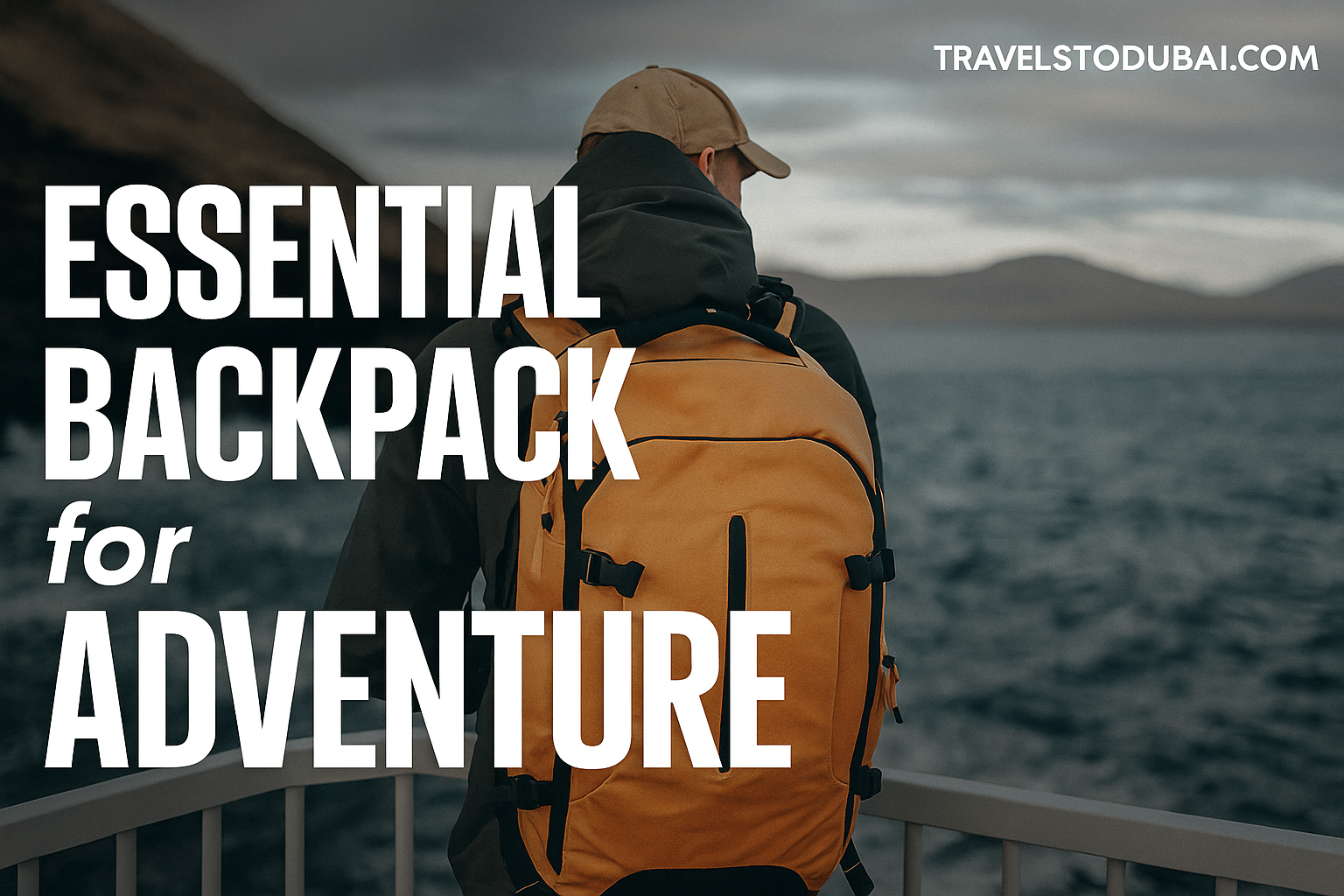
Choosing a backpack is one of the most important decisions you’ll make. The right pack makes long walks comfortable and protects your gear; the wrong pack becomes a burden. For overnight and short trips, backpacks in the 30–50 liter range work well; for multi-week or multi-month adventures, many travelers use 40–65 liters depending on whether they expect to carry camping gear or winter clothing. Fit matters more than flashy features: get a pack that matches your torso length and has a supportive hip belt and padded shoulder straps. Try one loaded with weight in-store or consult sizing guides to find the best fit. Features like a clamshell opening, hip-belt pockets, hydration sleeve and compression straps are conveniences that pay off in real-world use.
Pack smart: how to pack for backpack travel
Packing smart starts with a mindset: fewer, versatile items that layer and mix. Use packing cubes or stuff sacks to compress and organize. Place heavy items close to your spine and centered low in the bag to keep the center of gravity stable. Essentials you should have easy access to include travel documents, a phone, a portable charger, a light rain jacket and basic toiletries. Minimize shoes and choose one pair for walking and one for dressier needs if necessary. Toiletries should be travel-size; laundry on the road reduces the amount you need to carry. These packing techniques help you move faster and reduce strain on shoulders and back.
Gear guide: what really matters
Prioritize comfort, durability and weight when choosing gear. A good backpack, comfortable footwear and a reliable rain cover make a bigger difference than the latest gadget. If you plan to camp, invest in a lightweight sleeping system. For urban travel, choose a carry-on-sized travel backpack with a clamshell design and a padded laptop compartment so security checks and accommodation changes are easier. Reviews and gear tests can help you choose specific models; evidence from reputable retailers and independent testers shows which packs balance comfort, durability and price.
Money and budgeting: how backpack travel saves costs
Backpack travel tends to be budget-friendly because it encourages choices like hostels, shared transport, local food and flexible plans. Use local markets and neighborhood cafés instead of tourist restaurants. Book intercity travel in advance when prices spike, but remain open to last-minute local deals for buses and trains. Carry a small emergency fund and consider travel insurance for longer trips—skipping it can be a false economy if something goes wrong. Many seasoned backpackers recommend using a mix of cash and cards, a local SIM for cheap internet, and apps that track expenses.
Safety and health on the road
Safety for backpack travelers depends on preparation and situational awareness. Keep digital and physical copies of important documents, let someone know your rough itinerary, and register with your embassy if you’re traveling through unstable regions. Learn simple first-aid and pack a small medical kit. For health, stay hydrated, practice food safety, and be mindful of local health advisories. Getting travel insurance that covers medical evacuation is wise for remote or adventurous trips. Trust your instincts, avoid risky areas at night, and back up important files and photos regularly.
How to move like a local: transport and accommodation tips
Backpack travel is easiest when you master local transit. Learn the basic bus and train routes, and use regional travel passes when available. Overnight buses and trains can save on accommodation and maximize daylight for exploring. For accommodation, hostels remain a backpacker favorite because they’re social and affordable; budget guesthouses and homestays offer cultural insight while saving money. Booking just the first night provides stability without overcommitting, and staying longer in one place often reduces costs and increases local connections.
Sustainable backpack travel: leave a small footprint
Travel responsibly by respecting local cultures, minimizing single-use plastics and choosing eco-friendly accommodations when possible. Use refillable water bottles with filters where safe, follow local waste rules, and support small businesses. Sustainable travel preserves the places you love and keeps destinations welcoming for future visitors.
Tips and tricks to travel lighter and smarter
Adopt the rule of three: three shirts, three bottoms, and rotate with lightweight layers. Choose fabrics that dry fast and resist odors so you can wash and wear. Put the heaviest items at your pack’s center and low down to keep balance. Keep a small daypack for walking and sightseeing so you don’t haul your main pack everywhere. Use digital copies of documents and store emergency contacts in your phone and on paper. Buy local SIMs for long trips or use eSIMs where available to stay connected cheaply. These small habits multiply into big gains in comfort and mobility.
Common mistakes to avoid
A common mistake is overpacking; a second is buying a pack too large. Another is putting weight too high in the pack so it feels tippy. Avoid carrying valuables in easily accessible outer pockets and don’t ignore weather forecasts. Finally, failing to research visa rules, vaccination requirements or entry regulations for your destinations can turn a great trip into a logistical headache.
Frequently Asked Questions
What size backpack should I choose for multi-country travel?
For multi-country travel without camping, many travelers use 40–65 liter packs depending on trip length and climate. If you want to travel carry-on only, look for 30–40 liter packs designed to meet airline limits.
Can I backpack with just a carry-on backpack?
Yes. Many travelers manage long trips with a single carry-on-sized backpack by packing versatile clothing, washing on the road, and choosing lightweight gear. This approach saves time at airports and reduces baggage fees. Lonely Planet
How do I avoid back pain when backpacking?
Fit is key. Use a pack with a supportive hip belt, adjust load lifters, keep heavy items close to your spine and low, and use both shoulder straps and sternum strap. Practice carrying a loaded pack before long walking days.
What gear should I absolutely not forget?
Passport, travel insurance info, a money card, a small first-aid kit, a rain jacket, and a reliable phone charger or power bank. For remote trips, add a headlamp and basic repair tools.
Is backpack travel safe for solo travelers?
Yes. Solo backpacking is very common. Take basic safety steps: research, avoid isolated areas at night, secure valuables, meet hosts through reputable platforms, and trust local advice. Many solo travelers find backpacking liberating and more social than they expected.
How do I choose between a hiking pack and a travel pack?
Hiking packs specialize in carrying camping and heavy loads for trails with frames and load lifters. Travel packs emphasize clamshell access, laptop pockets and city-friendly features. Choose based on your activities: trail-heavy? pick a hiking pack. City- and transit-heavy? choose a travel pack.
How much money do I need per day while backpacking?
Costs vary widely by region, season and travel style. Budget backpackers often aim for low-cost countries at $20–$50 per day; mid-range can be $50–$150. Research destination-specific budgets and plan for emergency funds.